

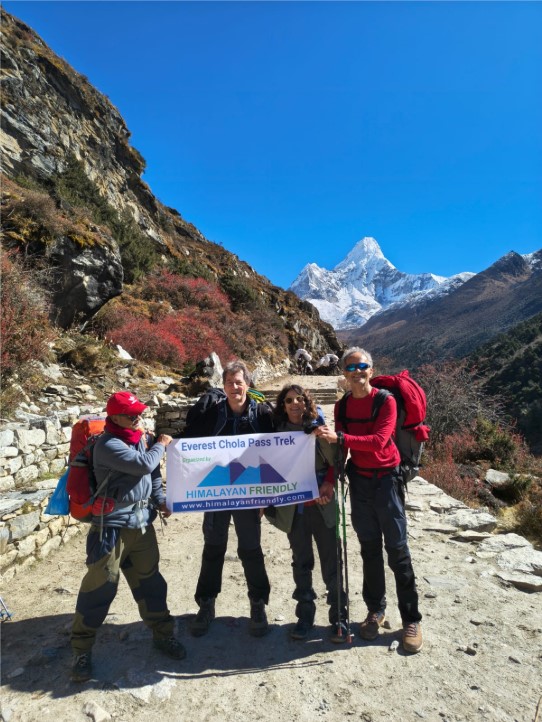
For many US travelers, the Everest Base Camp trek 12 days sounds both inspiring and intimidating. Walking to more than 17,000 feet in the Himalayas naturally raises questions about safety, altitude sickness, and whether the trek is realistic for non-mountaineers.
The short answer: yes, the Everest Base Camp trek 12 days, is generally safe—when it’s done with proper acclimatization, pacing, and preparation. The longer answer matters, because the real risks are well known, manageable, and often misunderstood.
This guide explains what actually makes the trek safe, what risks still exist, and what first-time trekkers should realistically expect.
Is the Everest Base Camp Trek Actually Dangerous?
A common misconception is confusing trekking to Everest Base Camp with climbing Mount Everest. These are entirely different activities.
The Everest Base Camp trek:
- Does not involve technical climbing
- Requires no ropes or mountaineering skills
- Follows established trails with teahouse accommodation
- Is completed by thousands of trekkers every year
The terrain is demanding and the altitude is serious, but the trek itself is not inherently dangerous. Most problems arise from ascending too quickly, not from the trail.
Understanding Altitude on the Everest Base Camp Trek 12 Days
Altitude affects everyone differently, especially travelers coming from sea level in the US. Understanding where elevation gain happens helps put risk into perspective.
Key altitude points on a standard Everest Base Camp trek 12 days itinerary:
- Lukla: ~9,400 ft (2,860 m)
- Namche Bazaar: ~11,300 ft (3,440 m)
- Dingboche: ~14,500 ft (4,410 m)
- Everest Base Camp: ~17,600 ft (5,364 m)
- Kala Patthar: ~18,200 ft (5,545 m)
Above 8,000 feet, oxygen levels drop noticeably. Above 14,000 feet, everyone slows down—regardless of fitness. This is normal. The goal isn’t to avoid altitude, but to give your body time to adapt.
What Is Altitude Sickness (AMS) — Explained Simply
Acute Mountain Sickness (AMS) occurs when the body doesn’t adapt quickly enough to reduced oxygen levels.
Common mild symptoms include:
- Headache
- Fatigue
- Loss of appetite
- Shortness of breath
- Poor sleep
These symptoms alone are not dangerous and often improve with rest.
More serious conditions—HAPE (fluid in the lungs) and HACE (brain swelling)—are rare on well-paced itineraries but require immediate descent. The biggest risk factor isn’t altitude itself, but ignoring symptoms and continuing upward.
How Proper Acclimatization Makes the Everest Base Camp Trek 12 Days Safer
Acclimatization is the most important safety factor on the trek.
A well-designed Everest Base Camp trek 12-day itinerary includes:
- Planned rest days in Namche Bazaar and Dingboche
- Short acclimatization hikes on rest days
- Gradual elevation gain
- The principle of “climb high, sleep low.”
This is why 12-day itineraries are widely considered safer than rushed 9–10 day versions. Compressing the schedule reduces the body’s ability to adapt and increases the likelihood of AMS—even in fit trekkers.
In high-altitude trekking, time is safety.
Real Risks on the Everest Base Camp Trek (Beyond Altitude)
Altitude isn’t the only consideration. Other realistic risks include:
Weather and Cold Exposure
Temperatures drop sharply above Namche, especially at night. Proper layering and cold-weather gear are essential.
Fatigue and Dehydration
Dry air, daily exertion, and reduced appetite can lead to dehydration. Consistent fluid intake is one of the simplest safety measures.
Lukla Flight Delays
Flights depend on weather and visibility. Delays are common and not dangerous, but flexibility and buffer days help manage expectations.
Teahouse Conditions
Accommodation becomes basic at higher elevations. Shared rooms and limited heating are normal and part of the experience.
None of these risks is extreme, but preparation makes them manageable.
Is the Everest Base Camp Trek 12 Days Safe for First-Time Trekkers?
Yes. Many first-time trekkers from the US complete the Everest Base Camp trek 12 days every year.
Safety depends more on:
- General fitness
- Willingness to walk slowly
- Mental readiness for altitude
- Following acclimatization guidelines
Age alone is rarely a deciding factor. However, trekkers with pre-existing heart, lung, or severe respiratory conditions should consult a medical professional before planning a high-altitude trek.
Why Many Trekkers Choose Himalayan Friendly for the Everest Base Camp Trek 12 Days
Himalayan Friendly is a local trekking company based in Kathmandu with 8+ years of guiding experience in the Everest region. The team has led 150+ successful treks for 300+ trekkers from around the world, including many first-time hikers.
Their licensed Nepali guides are trained in first aid and high-altitude safety, and they work with small groups to keep the pace steady and personal. This matters on the Everest Base Camp trek, 12 days, where moving at the right speed and paying attention to how people feel each day makes a real difference.
Treks are run with clear itineraries, proper acclimatisation days, and no hidden costs. Daily health checks, local trail knowledge, and practical decision-making on the route help keep the journey smooth and safe. Backed by 5-star reviews on TripAdvisor and Google, Himalayan Friendly is trusted by trekkers who want a well-planned Everest Base Camp trek without unnecessary stress.
Final Verdict — Is the Everest Base Camp Trek 12 Days Safe?
Yes. When done correctly, the Everest Base Camp trek 12 days is safe for most people.
The risks are real, but they are:
- Well understood
- Largely preventable
- Managed through pacing and acclimatization
This isn’t a reckless adventure. It’s a structured high-altitude trek with decades of experience behind it. Respect the altitude, follow a sensible itinerary, and the journey becomes challenging—but not dangerous.
To know more about how the 12-day Everest Base Camp trek is planned and managed on the ground, visit: https://himalayanfriendly.com/
FAQs — Everest Base Camp Trek 12 Days Safety
Is altitude sickness common on the Everest Base Camp trek for 12 days?
Mild symptoms are fairly common, but serious cases are rare when trekkers follow proper acclimatization schedules.
Can beginners safely do the Everest Base Camp trek in 12 days?
Yes. With good fitness, preparation, and a well-paced itinerary, beginners regularly complete the trek safely.
Is a 12-day itinerary safer than shorter options?
Yes. Compared to rushed 9–10-day itineraries, a 12-day schedule allows better acclimatization and lowers altitude-related risk.
Do US trekkers need special insurance for Everest Base Camp?
Yes. Travel insurance covering high-altitude trekking and emergency evacuation is strongly recommended.
Is trekking with a guide safer than going solo?
For most trekkers, guided treks are safer due to altitude monitoring, local knowledge, and emergency preparedness.